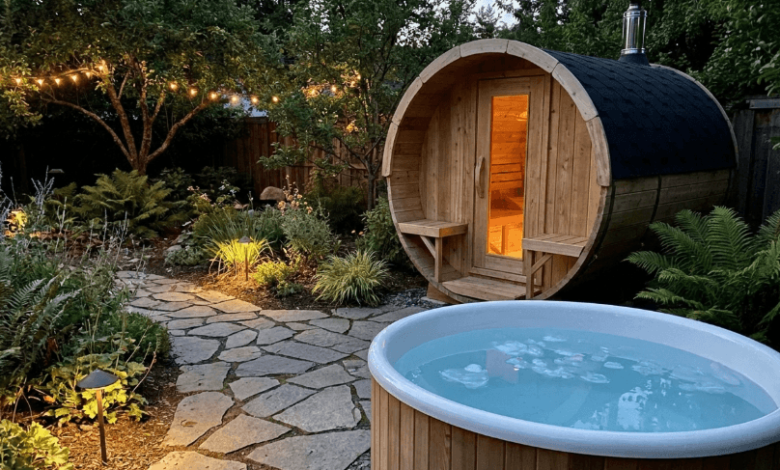
The sticker price on a sauna listing almost never reflects the total cost, especially for a unit that will run every day. Including the heater, delivery, electrical work, and a pad or foundation, a small indoor infrared cabin totals roughly $2,000 to $4,500, while an outdoor traditional cabin or barrel sauna typically lands between $5,500 and $11,000 once every line item is added in. Daily use also adds a recurring electrical cost most buyers do not calculate until the first higher bill arrives.
Line Item One: The Unit Itself
A small two-person infrared cabin generally lists between $1,800 and $3,200, often including the heater built into the panels. A traditional outdoor cabin or barrel sauna shell, sold separately from the heater in many cases, runs $2,500 to $6,000 depending on size and wood species, with cedar priced above heat-treated hemlock and larger multi-person units costing more than compact two-person models. This line item is the one buyers compare most closely, but it is frequently less than half the total real cost once the remaining line items below are added in.
Line Item Two: The Heater, If Not Already Included
Traditional saunas typically sell the heater separately from the cabin shell, and heater price scales with kilowatt output. A heater in the 4.5 to 6 kilowatt range for a two-person cabin runs $500 to $1,200, while an 8 to 9 kilowatt heater for a larger room can run $1,000 to $2,000. Buyers planning daily use should budget toward the upper end of a given wattage bracket for a heater rated for continuous residential duty rather than intermittent weekend use, since the cheaper end of that bracket is often built for lighter use and wears out faster under a daily schedule.
Line Item Three: Electrical Work
This is the line item that surprises the most first-time buyers, and it varies the most by home. Most heaters above 6 kilowatts require a dedicated 240-volt circuit, which commonly costs $500 to $2,000 for a licensed electrician to run, depending on distance from the panel and whether existing capacity is available. A home with a full panel needing an upgrade before a new circuit can be added should budget several thousand dollars more, and this cost should be quoted before ordering the sauna, not discovered afterward when the unit is already sitting in a garage waiting to be installed.
Line Item Four: Pad, Foundation, and Delivery
An outdoor sauna needs a level surface, either a poured concrete pad, a paver base, or a pressure-treated frame on gravel, which typically runs $300 to $1,500 depending on size and whether it is DIY or contracted out. Delivery for a prebuilt cabin or barrel shell, given the weight and size involved, commonly adds $200 to $600 depending on distance from the supplier’s warehouse. Neither of these shows up on a sauna’s advertised price, and both are easy to underestimate when comparing a headline number against a competitor’s.
Site prep can add a further hidden cost depending on the yard itself. A sloped or uneven site may need grading before a pad can go in, and a location far from the house often means a longer electrical run, which increases labor cost even if the wire and breaker themselves are inexpensive. Getting a written quote for the full install, not just the sauna and heater, before placing an order is the single best way to avoid a mid-project surprise that pushes the real total well past the number on the product page. Permit fees belong on this list too, since some municipalities require one for a new dedicated circuit or for any permanent outdoor structure over a certain footprint, and the fee plus the time to schedule an inspection is worth building into the project timeline rather than treating as an afterthought.
Line Item Five: The Ongoing Cost of Daily Use
Once installed, a heater drawing 4.5 to 8 kilowatts, running a 45 to 60 minute warm-up plus session time daily, typically adds $30 to $70 a month to an electric bill, depending on local rates and heater efficiency. Over a year that is $360 to $840, a real number worth factoring into any total-cost comparison, particularly against a well-insulated unit that reaches temperature faster and holds it longer, reducing daily runtime. When comparing sauna listings, it is worth totaling unit, heater, electrical, pad, delivery, and a year of expected running cost side by side rather than comparing sticker prices alone; several retailers list interior cubic footage and heater kilowatts on the product page to make that math possible, and shoppers ready to compare current inventory can shop the current options to see how those specs line up against price.
Does Spending More Upfront Actually Save Money Over Time?
Often, yes. A budget unit with an unstated wood drying process and a heater warranty under two years is a common predictor of an element replacement or panel crack within three to five years, expenses that close much of the price gap against a better-built unit purchased once. Research on sauna use itself does not weigh in on unit price, but it does reinforce why buying something that survives daily use matters: a 2018 systematic review in Evidence-Based Complementary and Alternative Medicine and a companion review in The American Journal of Medicine both describe cardiovascular associations tied to consistent, long-term use, not sporadic use interrupted by equipment failures. A separate physiology review on heat and cold effects, focused on Finnish sauna bathing, reached similar conclusions about the value of sustained habit over any single session. A unit that breaks down within a few years cannot support that pattern, regardless of how attractive its initial price looked.
Frequently Asked Questions
What is the total real cost of a home sauna, not just the unit? A small indoor infrared cabin totals roughly $2,000 to $4,500 including electrical and delivery. An outdoor traditional cabin or barrel sauna typically totals $5,500 to $11,000.
How much does electrical work add to a sauna install? A dedicated 240-volt circuit commonly runs $500 to $2,000. A panel upgrade before the run can add several thousand dollars more.
What does it cost to run a sauna daily on top of the purchase price? A 4.5 to 8 kilowatt heater run daily typically adds $30 to $70 a month, depending on local rates and heater size.
Is a cheaper sauna actually cheaper over five years? Often not. A shorter heater warranty and unspecified wood drying process often lead to repairs within a few years that close the price gap.
References
- Clinical Effects of Regular Dry Sauna Bathing: A Systematic Review, Evidence-Based Complementary and Alternative Medicine, 2018
- Benefits and risks of sauna bathing, The American Journal of Medicine, 2001
- Effects of heat and cold on health, with special reference to Finnish sauna bathing, American Journal of Physiology, 2018