Back-to-school season is more than new notebooks, sharpened pencils, lunchbox negotiations, and the annual mystery of where all the matching socks went. It is also a major transition for kids. New teachers, schedules, friendships, expectations, and routines can bring excitement and nerves at the same time. Movement-based activities can help students manage that transition by building confidence, coordination, focus, and healthy habits outside the classroom.
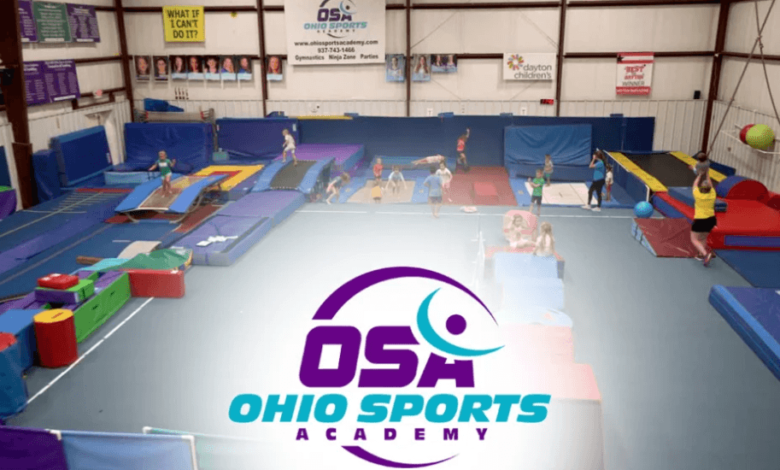
Ohio Sports Academy offers programs for babies through adults, including pre-k gymnastics, tumbling, ninja, aerial arts, trampoline, cheer jumps and motions, adaptive gymnastics, competitive teams, private lessons, open gym time, birthday parties, and Kids Night In. Its public materials emphasize a positive environment where students cheer for each other, work toward goals, build strength, and have fun while learning new skills. That makes back-to-school season a smart time to think about how structured physical activity can support the whole child.
1. Use Movement to Support School-Year Routines
A consistent class can help children settle into the rhythm of the school year. When kids know they have gymnastics, tumbling, ninja, or another active program on the calendar, the week gains structure. That structure can help families balance schoolwork, play, rest, and activity.
Movement also gives students a productive outlet after sitting in classrooms. Climbing, jumping, stretching, balancing, rolling, and practicing skills can help release energy in a guided environment. For some kids, that makes the evening routine smoother. For parents, anything that helps after-school energy land somewhere besides the living room couch deserves applause.
2. Build Confidence Before Academic Pressure Peaks
Confidence is not only built by grades and test scores. Kids also gain confidence when they learn a new skill, try again after missing, and see improvement over time. A forward roll, cartwheel, handstand drill, jump, obstacle course, or trampoline skill can teach perseverance in a way that children can feel physically.
Ohio Sports Academy’s pre-k gymnastics materials describe a mission of building a strong gymnastics foundation while students have fun, learn, grow, and develop healthy bodies and minds. Its program pages also emphasize helping school-aged kids reach goals in a safe and clean environment while gaining confidence, strength, and new skills.
For younger children preparing for school routines or early learning transitions, Dayton gymnastics programs can support movement, coordination, listening, and confidence in a playful setting.
3. Choose a Program That Matches the Child’s Personality
Not every child wants the same activity, and that is perfectly fine. Some kids love tumbling. Some are drawn to ninja-style obstacles. Some enjoy aerial arts, cheer motions, trampoline, or classic gymnastics. Others need a gentler introduction through pre-k or adaptive programming.
The best back-to-school activity is one that a child can approach with curiosity. A high-energy student may enjoy ninja or tumbling. A child who loves performance may connect with cheer jumps and motions or aerial arts. A younger student may thrive in a pre-k gymnastics setting with imaginative stations and age-appropriate challenges.
Matching the activity to the child helps participation feel exciting instead of forced. School already brings enough “must-do” moments. An after-school activity should feel like a challenge with a smile.
4. Encourage Social Growth Outside the Classroom
Back-to-school season often brings new social dynamics. Children meet classmates, adjust to groups, and learn how to communicate in structured settings. A sports academy environment can add another positive social space where kids practice taking turns, listening to coaches, encouraging peers, and celebrating progress.
Movement classes can be especially helpful because social interaction happens naturally. Students wait in line, cheer for classmates, follow instructions, and share equipment. They see that everyone is working on something. That can normalize mistakes and make the effort feel less lonely.
A supportive environment teaches students that progress is not a competition with everyone else in the room. It is a personal journey, and sometimes the biggest win is trying again after a wobbly landing.
5. Support Focus, Listening, and Body Awareness
School requires focus, transitions, and the ability to follow directions. Gymnastics and movement classes can reinforce those skills through physical practice. Students listen for instructions, move between stations, follow safety rules, remember sequences, and learn where their bodies are in space.
Body awareness is especially valuable for young learners. Balance, coordination, strength, and control can support confidence during play, sports, and everyday activities. Pre-k gymnastics programs often use obstacle courses and stations to build these skills in developmentally appropriate ways.
This type of learning is active and engaging. Kids may not think, “I am improving my executive function.” They think, “I just climbed that thing!” Both can be true.
6. Make Physical Activity Part of Healthy Back-to-School Habits
The start of school is a natural time to reset routines. Families may adjust bedtime, meals, homework schedules, and screen time. Adding regular physical activity can support those routines by giving kids a healthy outlet and something positive to anticipate.
Movement-based programs can help students build strength, flexibility, balance, coordination, and endurance. They can also encourage goal-setting. A child may work toward a cleaner jump, stronger handstand, better cartwheel, smoother obstacle course, or more controlled landing.
These goals are concrete and motivating. Progress may come in small steps, but small steps add up. The first month of school is a great time to remind kids that learning takes practice in the classroom and in the gym.
7. Use Activity to Ease Back-to-School Stress
Kids can feel stress even when they do not name it directly. Changes in schedule, homework, friendships, and expectations can show up as restlessness, moodiness, worry, or extra energy. Physical activity can help children process that stress in a constructive way.
A structured class gives students a place to move, breathe, focus, and do something fun. The combination of instruction and play can be especially useful after a long school day. It gives the brain a break while the body gets to work.
This does not mean gymnastics solves every school-year challenge. It does mean movement can be one helpful part of a balanced routine.
8. Look for a Program With Safe Progressions
Safety matters in any movement-based activity. Children should learn skills through progressions that match their age, readiness, and ability. A good class does not rush students into advanced skills before they have the strength, control, and confidence to attempt them.
Ohio Sports Academy’s program materials emphasize safe and clean learning environments, goal-building, and structured instruction across its programs. That approach matters because kids need challenges, but they also need coaching that helps those challenges feel achievable.
Safe progressions also teach patience. Students learn that big skills are built from smaller skills. That lesson is useful in school, sports, friendships, and nearly every part of growing up.
9. Keep Back-to-School Activities Fun and Sustainable
The best activity is one that a family can actually maintain. Back-to-school schedules can get busy quickly, so it helps to choose a program that fits the week without overwhelming everyone. A class should support the child’s routine, not turn every evening into a race involving backpacks, snacks, shoes, and someone yelling, “Where is your water bottle?”
Fun matters too. Children are more likely to stick with activities when they enjoy the environment and feel encouraged. Progress is important, but joy keeps kids engaged.
For families comparing options, a gymnastics school can provide structured movement programs that support confidence, strength, coordination, and social growth during the school year.
See also: Introduction to Golf Simulators
10. Celebrate Progress Beyond the Skill Itself
Back-to-school season is a great time to celebrate effort. Maybe a child learns a new tumbling skill. Maybe they will become more comfortable participating in class. Maybe they follow directions better, cheer for a friend, or try something that made them nervous.
Those are all wins. Movement programs give families visible moments of growth. The skill is exciting, but the habits behind it are even more meaningful: persistence, courage, focus, listening, and self-belief.
A Stronger School Year Starts With Confidence
Back-to-school success is about more than supplies and schedules. It is about helping kids feel capable, supported, and ready to learn. Movement-based programs can give students a healthy outlet, a confidence boost, and a structured place to grow outside the classroom.
Whether a child is starting pre-k, returning to school, exploring gymnastics, trying tumbling, or looking for a new challenge, the right activity can help make the school year feel more balanced. Strong bodies, brave minds, and positive routines are a pretty good backpack combination.